Rockstar Dialogue: “Jab Tak Taklif Na Ho Na Life Mein, Koi Bada Nahi Banta”
There are some movie dialogues that you remember because they sound good. Then there are lines that come back to you when something happens in your own life.
Rockstar has quite a few of them.
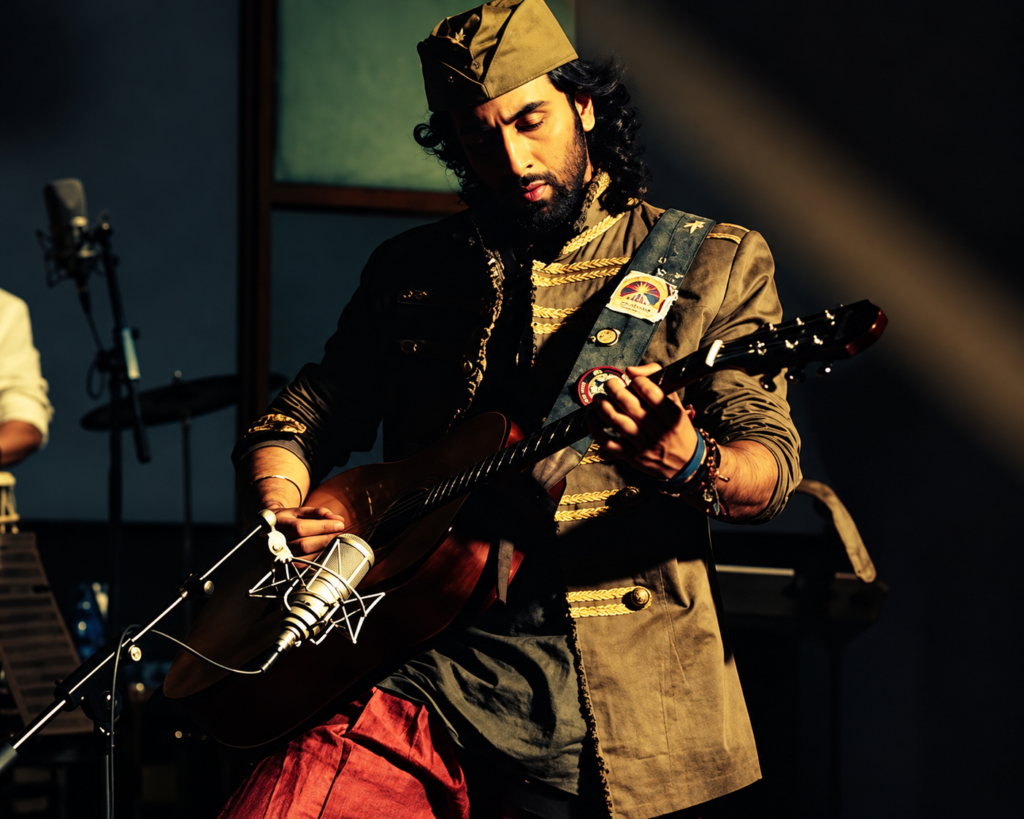
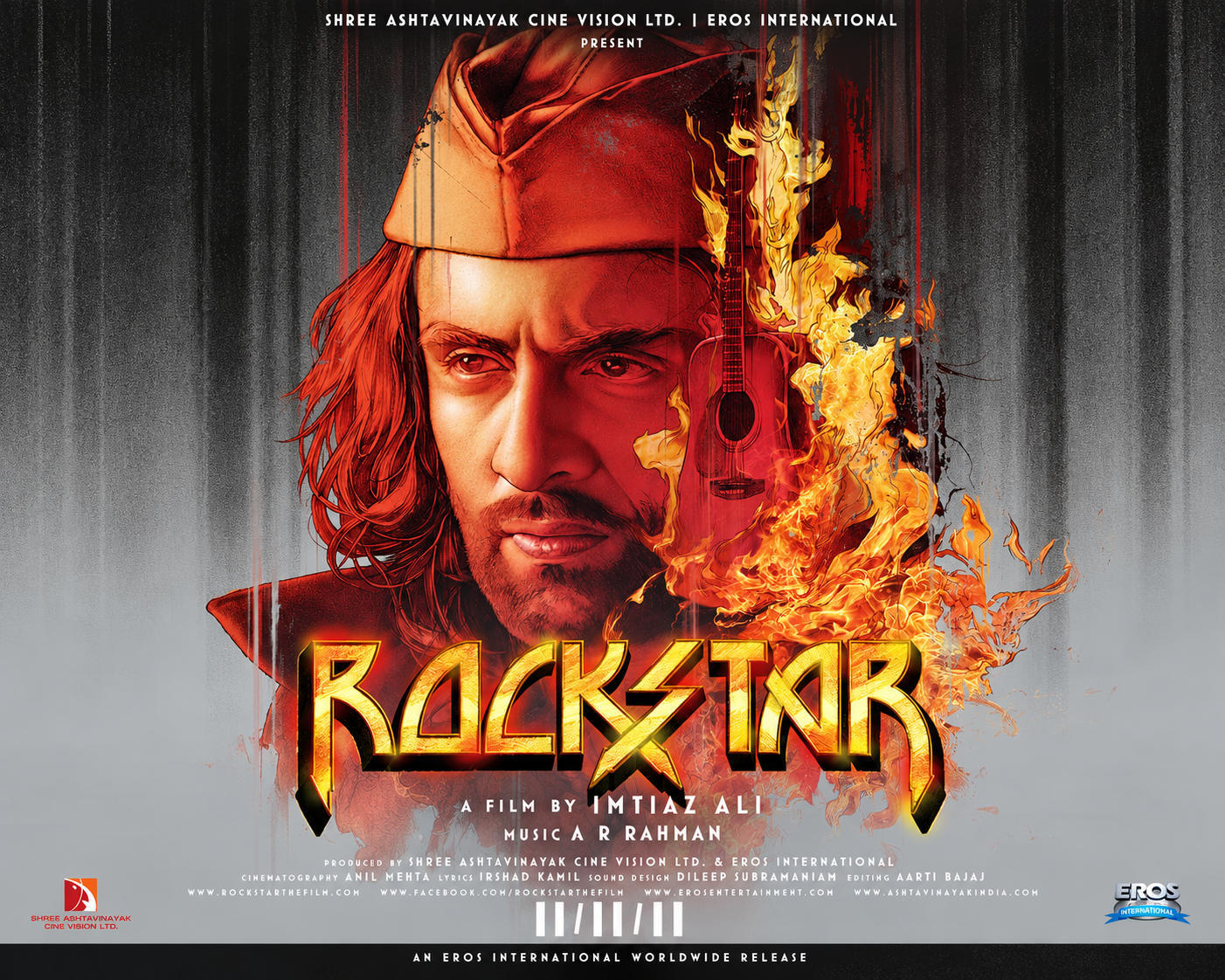
Released in 2011, Imtiaz Ali’s Rockstar follows Janardhan Jakhar, played by Ranbir Kapoor, and his journey from an ordinary college student to a successful musician. The film is remembered for its music, its characters and Janardhan’s complicated journey. But some of its conversations also say a lot about life.
One such line comes from Khatana Bhai, played by Kumud Mishra:
“Jab tak taklif na ho na life mein, koi bada nahi banta.”
It roughly means, “Until you experience pain in life, you cannot become great.”
It is a simple line, but when you look at Janardhan’s story, you understand why Khatana Bhai says it.
Khatana Bhai’s Advice to Janardhan
At this point in the film, Janardhan wants to become a rockstar. He has the dream and the ambition, but he is still young and inexperienced.
He wants to know what it takes to become a great musician.
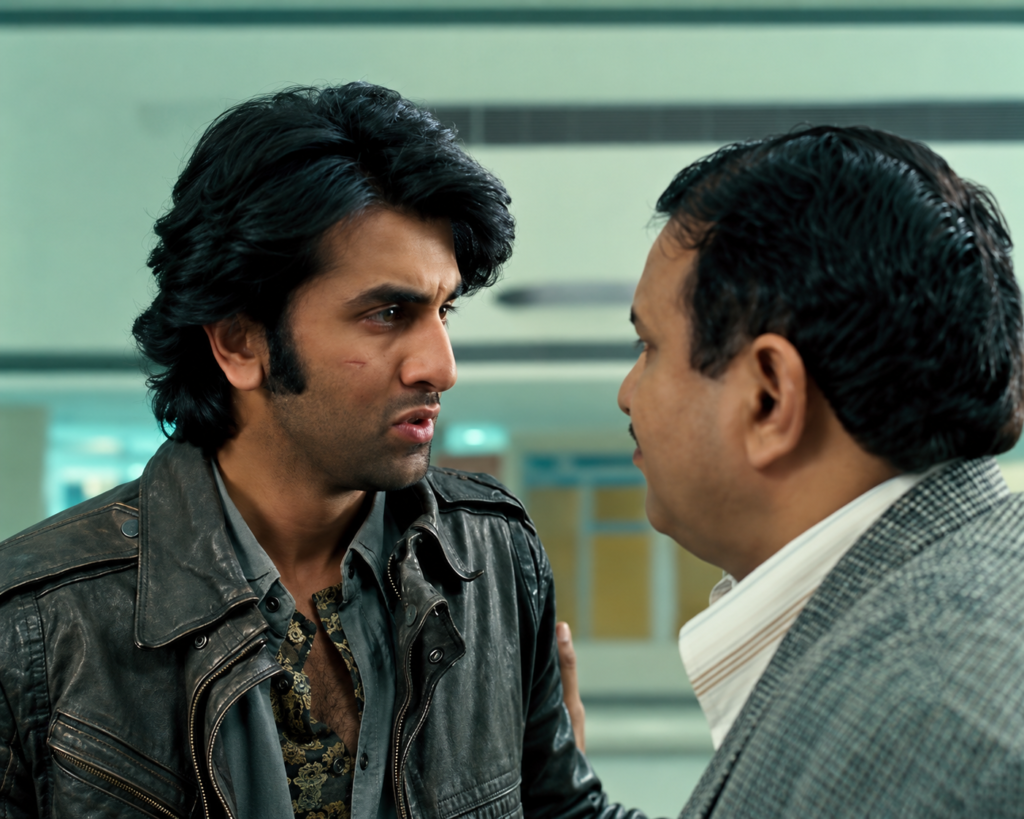
Khatana Bhai gives him an answer that Janardhan probably doesn’t fully understand at first. According to him, life has to hurt a little before a person can truly understand what they are capable of.
It isn’t really advice about becoming famous.
It is about experience.
Janardhan has not yet gone through the kind of emotional experiences that will later change him. He knows that he wants to make music, but he is still trying to understand what he wants to say through that music.
Khatana Bhai’s words point towards what is coming.
Why Does Pain Matter in the Film?
Rockstar is not simply a story about a boy who wants to become a musician.
Janardhan changes as his life changes.
He falls in love. He experiences separation. He deals with success, loneliness and the consequences of his choices. All of these things become part of the person he eventually becomes.
His music changes along with him.
That is why the dialogue fits the film so well. Janardhan doesn’t become the same person he was at the beginning.
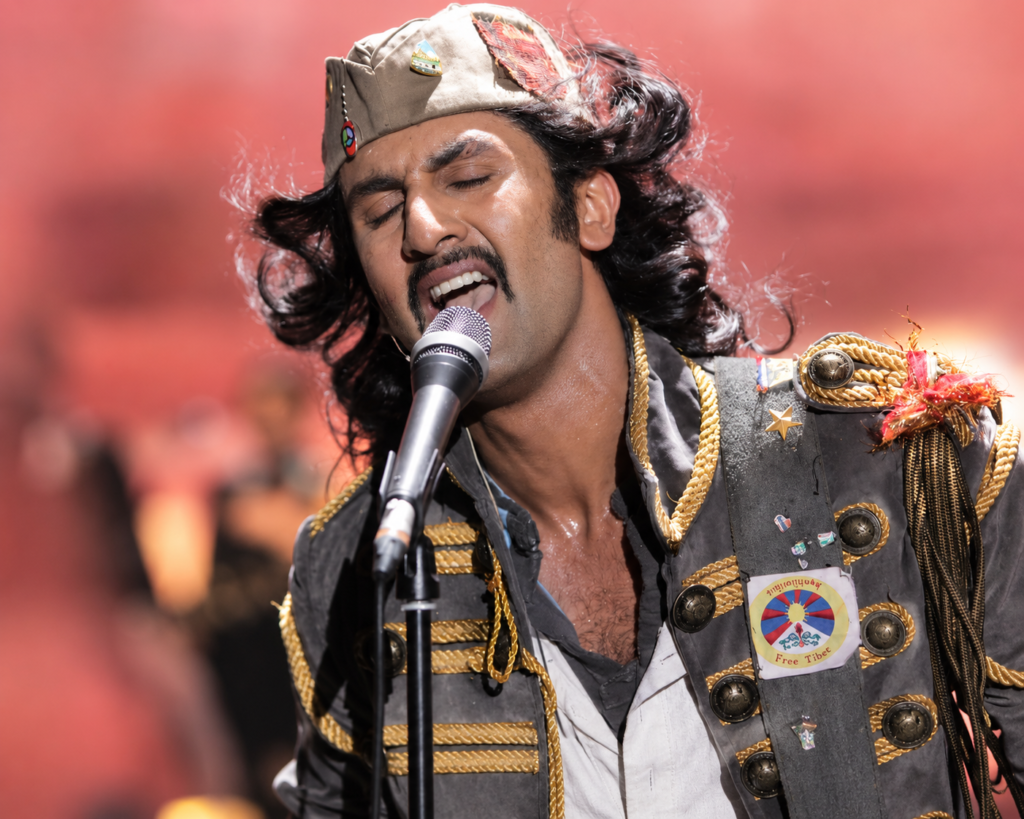
The young man who desperately wants to become a rockstar is very different from the artist we see later in the film.
His experiences have shaped him.
Struggle Doesn’t Always Mean Failure
The line is often understood as a message about struggle, but that doesn’t mean every difficult experience automatically leads to success.
Real life isn’t that simple.
You can work hard and still fail. You can do everything right and still lose an opportunity. Sometimes things don’t work out even when you have given them everything you had.
But difficult experiences do leave something behind.
They give you experience.
A failed attempt may teach you what not to do next time. A rejection may make you less afraid of hearing “no.” A difficult phase can make you rethink what you actually want.
You may not realise any of this while you are going through it.
Usually, it becomes clear much later.
That is perhaps the more realistic way of looking at Khatana Bhai’s dialogue. It doesn’t say that pain guarantees success. It suggests that the things we go through can change us.
We Understand Some Things Only After Living Through Them
Think about the first time you failed at something that really mattered to you.
At that moment, it probably didn’t feel like a lesson.
It felt like failure.
The same thing happens with rejection, heartbreak, losing a job or watching an opportunity disappear. When it happens, the first reaction is usually frustration or disappointment.
Only after some time do we start seeing things differently.
Maybe that failure made us more careful.
Maybe we realised that we were chasing something we didn’t actually want.
Maybe we became more independent.
Or maybe we simply learned that we could get through a bad phase and start again.
That’s the part of the dialogue that feels very real.
Khatana Bhai isn’t promising Janardhan an easy road. He is telling him that the road itself will change him.
Janardhan Wants Success, But He Hasn’t Lived Enough Yet
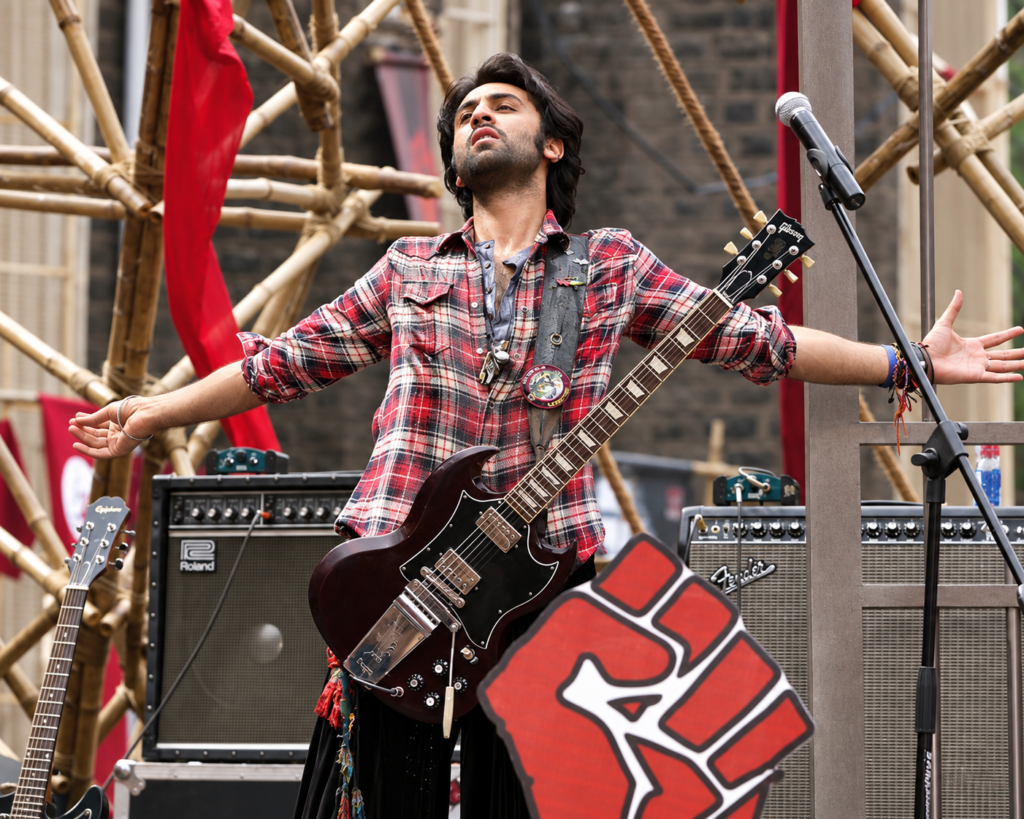
Janardhan’s biggest problem at the beginning of Rockstar is not a lack of ambition.
He has plenty of that.
What he lacks is experience.
He wants to become a great musician before he has really figured himself out.
That is where Khatana Bhai’s advice becomes important.
For an artist, personal experiences often become part of the work. What you feel, what you lose, what you remember and what you cannot forget can all find their way into your art.
Again, this doesn’t mean an artist has to suffer to create something good.
It simply means that life gives people things to draw from.
Janardhan eventually has plenty of those experiences.
And by then, music is no longer just a dream for him.
It has become a way of expressing what he has lived through.
What Does “Koi Bada Nahi Banta” Really Mean?
The word “bada” in the dialogue can be understood in many ways.
It doesn’t necessarily mean becoming rich or famous.
A person can become “bada” by becoming more mature.
Someone who learns to accept their mistakes has grown.
Someone who learns to deal with failure has grown.
Someone who understands the value of people in their life has grown.
Sometimes growing up simply means learning that things will not always happen according to your plans.
Janardhan’s journey is full of moments like these.
He gets some things he wants and loses others. He finds success, but success doesn’t solve everything. His life becomes more complicated as he gets closer to becoming the musician he always wanted to be.
That is one of the reasons the dialogue works beyond the story of a musician.
Why This Rockstar Dialogue Feels Personal
Most people don’t need to become rockstars to understand this line.
Everyone has their own version of struggle.
For one person, it could be a failed exam. For someone else, it could be losing a job. It could be a business that didn’t work, a relationship that ended or a dream that had to be put on hold.
The details are different, but the feeling is familiar.
And there is something else we often forget.
We usually see people’s results, not the difficult parts that came before them.
We see someone getting a promotion, but not the years when they were struggling to find the right job.
We see a successful business, but not the failed attempts that came before it.
We see the finished song, but not everything that happened in the artist’s life before it was written.
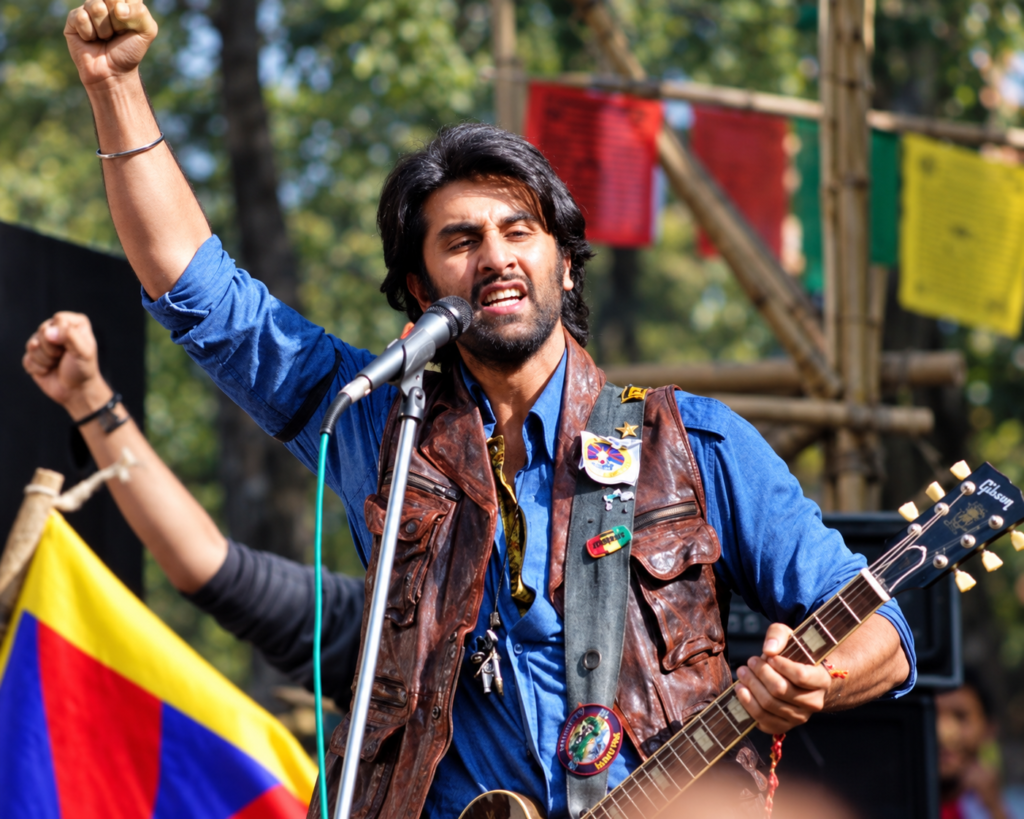
Rockstar spends a lot of time showing that hidden side of Janardhan’s journey.
The Dialogue Isn’t Asking Us to Love Pain
There is an important difference here.
The dialogue should not be taken to mean that people need to suffer if they want to succeed.
Pain is not a shortcut to greatness.
Some difficult experiences don’t teach us anything immediately. Some are simply painful. Some take years to understand.
What matters is what happens to us afterwards.
Do we learn something?
Do we change?
Do we try again?
Do we understand ourselves a little better?
Those questions make the dialogue more interesting than a simple motivational quote.
The Lesson Behind Khatana Bhai’s Words
Looking back at Janardhan’s journey, Khatana Bhai’s words feel almost like a preview of what is waiting for him.
Janardhan wants to become a great musician.
To get there, he has to experience much more than he expects.
His life gives him happiness, love and success, but it also gives him pain and loss. All of it becomes part of his story.
And that story eventually becomes part of his music.
That’s why “Jab tak taklif na ho na life mein, koi bada nahi banta” works so well as a Rockstar dialogue.
It isn’t saying that every struggle has a happy ending.
It is saying something much simpler.
Life changes you.
Sometimes you learn through good experiences. Sometimes you learn through the ones you would rather forget.
You don’t have to look for difficult times. But when they come, they can teach you things about yourself that an easy life may never have shown you.
That is what makes Khatana Bhai’s line worth remembering. It starts as advice to a young man who wants to become a rockstar. By the end, it feels like something that could apply to almost anyone.